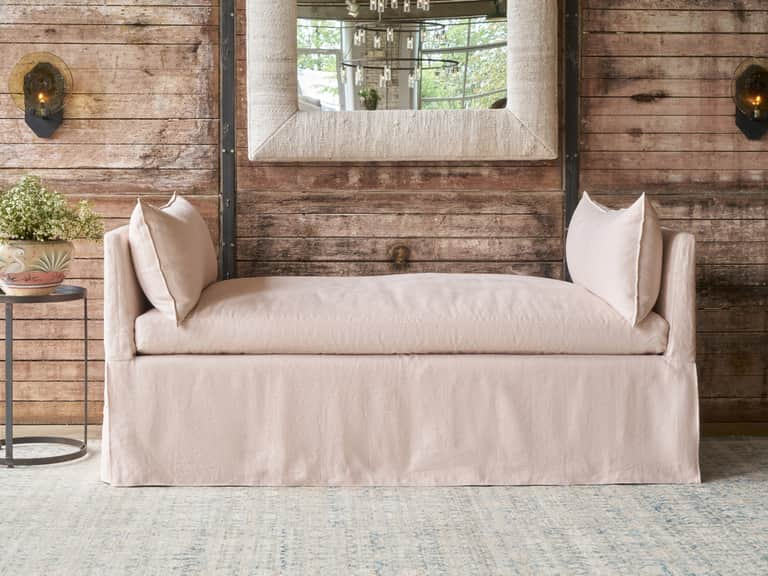
Daybeds combine the relaxed appearance of a sofa with the function of a bed, making them useful in guest rooms, home offices, and smaller living spaces. Their design supports sitting during the day and sleeping when needed. The right bedding, including sheets and pillows, helps adapt a daybed for either use.
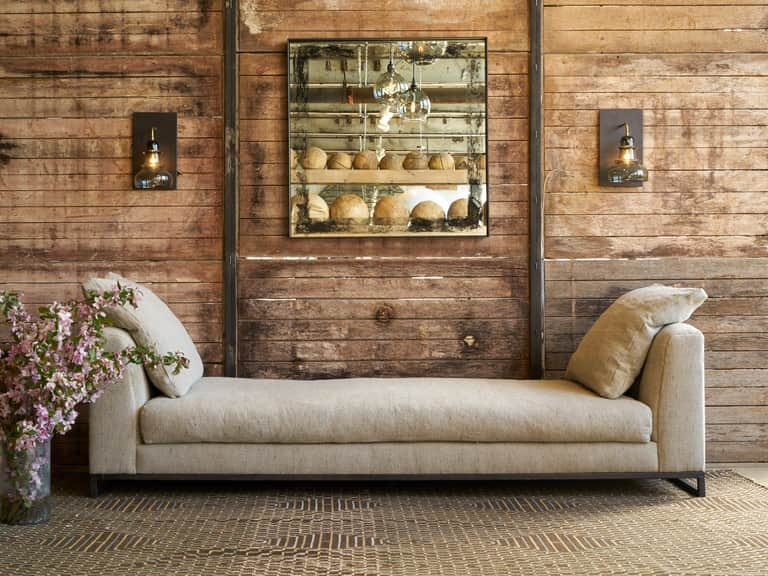
The Cisco Home Richard Daybed is an example of a dedicated daybed format, suited to rooms that need flexible seating and an additional place to sleep. Its daybed structure can help a space serve more than one purpose without requiring a separate full-time guest bed, while coordinated bedding supports comfortable everyday use.
The Cisco Home Linda Trundle Daybed pairs a daybed with a trundle, a secondary bed that can be stored beneath the main frame and pulled out when required. This arrangement can provide an extra sleeping surface for visitors while keeping the additional bed out of the way during the day.
When assessing daybed functionality, consider available floor space, access around the frame, and how often the sleeping surface will be used. A trundle model needs clearance to extend, while a standard daybed may be simpler in tighter layouts. Suitable sheets and pillows can help make either configuration practical for overnight guests.
Mattress choice also affects comfort and compatibility, so dimensions and support requirements should be checked against the daybed design. Organic mattresses may appeal to people seeking materials with particular sourcing or certification characteristics. Adjustable beds are a separate category, but their features are generally not interchangeable with standard daybed frames.
 Furniture