Bedding Guide
What to Look for in a Mattress Protector: Fit, Fabric and Care
A mattress protector is one of those quiet household decisions that is easy to postpone and surprisingly difficult to get wrong only after it has gone wrong. The right one stays put, feels unobtrusive and can be cleaned without ceremony. The wrong one wrinkles beneath the sheet, traps heat or proves awkward to launder. Fit, fabric and care are the useful places to begin.
A small layer with a practical purpose
A mattress is a substantial piece of bedroom furniture, but its surface is asked to contend with the ordinary incidents of sleep: perspiration, body oils, dust and the occasional spill. A protector creates a removable layer between those things and the mattress itself. It can help limit day-to-day soiling and reduce wear on the sleeping surface, while making routine cleaning more manageable.
It is useful to be precise about what a protector can do. It is not a substitute for a mattress warranty, a treatment for allergies, or a guarantee against every liquid finding its way through. Performance depends on the construction, the condition of the fabric, the fit, and whether the item is used and cared for as its maker intends. Some protectors are designed chiefly to absorb; others include a barrier intended to resist liquid. Those are not interchangeable functions, and the product description should make the distinction clear.
Nor should protection come at the expense of comfort. The best version tends to disappear from notice: no persistent rustle, no ridges under the fitted sheet, no clammy surface that announces itself around two in the morning. Choosing one, then, is less a matter of finding the most elaborate specification than of matching its construction to the bed and the household.
Begin with the mattress, not the label
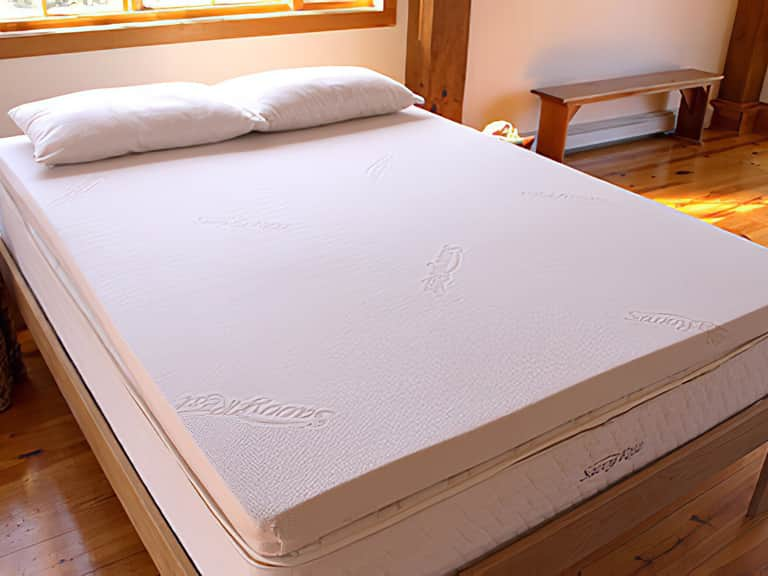
“Queen,” “king” and the other familiar size names are helpful starting points, but they do not settle the question of fit. Mattress dimensions can vary, and the protector must also accommodate the mattress’s depth. Measure the length, width and height of the mattress as it is actually used, including any permanent pillow top or built-in cushioning. A separate topper may affect the arrangement too: decide whether the protector is meant to sit over the topper or directly over the mattress, then measure that combined height if appropriate.
The depth measurement matters because a protector that is too shallow may pull up at the corners or strain its seams. One that is much deeper than necessary may gather excess fabric, making the sheet above it harder to smooth. Elasticated skirts and fitted pockets are designed to hold the layer in place, but their stated depth range should be compared with the mattress rather than treated as a decorative detail.
Manufacturers describe pocket depth in different ways. Some give the depth of the pocket; others state the maximum mattress height the skirt is intended to cover. If the wording is unclear, check the product dimensions or ask for clarification before choosing. It is also worth considering how much stretch the skirt has. A secure fit should be snug without requiring a wrestling match at each corner. An awkward installation is a minor inconvenience once; repeated removal for washing makes it a more consequential one.
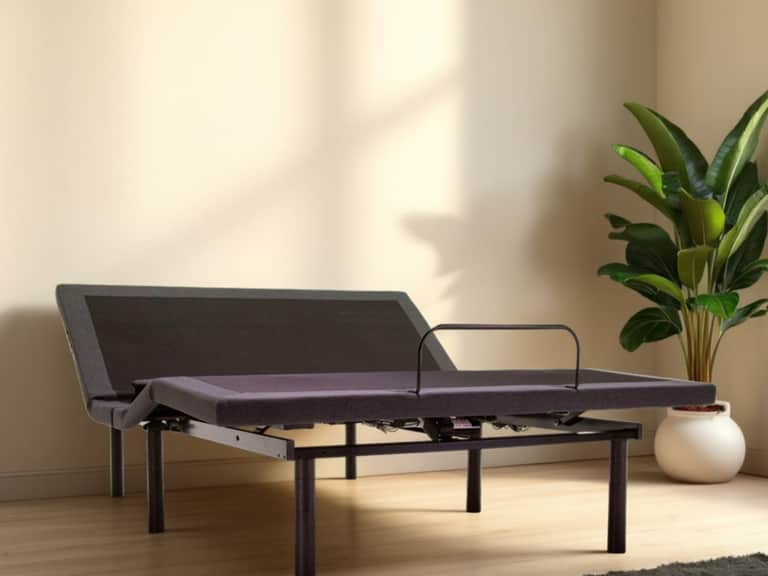
For an unusually deep mattress, an adjustable bed, or a mattress with a pronounced pillow top, pay particular attention to the shape and attachment method. A fitted protector may be appropriate for a standard flat mattress, while another style may suit a more complex setup. The goal is to cover the intended surface without interfering with the bed’s movement or leaving vulnerable areas exposed.
A secure fit is also a comfort feature
A protector that slips can become a problem long before it fails at its central task. Loose fabric moves beneath the sheet; a twisted corner can make the bed feel lumpy; an elastic edge that has lost its tension may need to be reset every morning. These are small disruptions, but sleep is made of small conditions, and the hand notices a wrinkle even when the mind would rather not.
Look for a construction that holds the protector close to the mattress. A fitted style with an elasticated skirt is one common approach. A quilted protector may have a more substantial hand and a little padding, while a thinner, smooth version may add less bulk. Neither is automatically superior. The choice depends on whether the aim is simply to shield the mattress or to add a modestly cushioned layer as well.
Check the seams and corners in the product description, and consider how the protector will sit beneath the fitted sheet. If the combined bedding becomes too thick or tight, the sheet may pop off at the corners or feel stretched. A correctly measured protector should make the bed easier to maintain, not introduce another layer of daily adjustment.
Fabric, filling and the question of breathability
The fabric next to the sheet influences how the bed feels. Cotton is widely used for its familiar softness and its ability to absorb moisture. A woven cotton surface can feel relatively natural and quiet, while quilted constructions may add loft and a more padded sensation. Other fabrics and blends can offer different combinations of smoothness, stretch, durability and ease of care. The material name alone does not tell the whole story: weave, weight, finishing and the layers beneath the surface all matter.
Breathability is often discussed as though it were a single measurable quality, but in practice it describes how the assembled protector handles air and moisture. A dense waterproof membrane may provide a useful barrier while feeling warmer or less airy than an uncoated fabric. A breathable construction can still have limits, and a natural fibre is not automatically cool in every room or on every mattress. The sleeper’s temperature, the bedding above the protector and the room itself all contribute to the result.
If heat is a concern, look closely at the materials and construction rather than relying on words such as “cooling” or “comfort.” A thinner, less padded protector may feel less insulating than a deeply quilted one. A cotton outer layer can offer a soft, absorbent surface, though the presence of a backing layer may change how the whole item behaves. When details are absent, that absence is worth noticing; a clear description should explain the outer fabric, any filling and whether a liquid-resistant layer is included.
Fillings, where present, add another set of considerations. Wool is valued in bedding for its ability to manage moisture and help moderate temperature, while cotton offers a familiar, washable textile feel in many constructions. These qualities do not make one filling universally right. Someone seeking a very slim protective layer may prefer an unpadded design; someone who likes a softer surface may appreciate light quilting. The protector should not be expected to correct a mattress that is fundamentally uncomfortable or unsupportive.
Protection is not the same as waterproofing
Before choosing a fabric, decide what kind of protection is actually needed. A breathable quilted pad may help guard against ordinary surface wear and absorb small amounts of moisture. A waterproof protector is designed to resist liquid reaching the mattress, usually through a barrier or backing. That barrier can be valuable in a home where spills are a regular concern, but it may change the hand, sound or temperature of the fabric.
Terms such as “water-resistant” and “waterproof” should be read carefully. They describe different levels of resistance, and manufacturers may use them according to their own specifications. Check what the product claims, how the barrier is constructed, and whether laundering can affect it. If a protector is intended to provide a liquid barrier, the whole sleeping surface—including seams and edges—needs to be considered. A barrier that covers only part of the mattress may not meet the household’s practical needs.
For people concerned about dust or allergens, a protector can form part of a broader cleaning routine, but it should not be presented as a medical solution. The relevant details include how fully it encloses the mattress, how often it can be washed, and whether its construction remains intact after laundering. Anyone managing a specific health concern should seek suitable clinical guidance rather than relying on a bedding label.
Care instructions belong in the decision
A protector is only convenient if it can be cleaned in a way that fits ordinary life. Before buying, check whether it is machine washable, the recommended water temperature, the permitted drying method and any restrictions on detergent or additives. “Machine washable” is not a complete care plan. A bulky protector may not fit comfortably in a small domestic washer, and a low-temperature or line-dry requirement may affect how quickly it can be returned to the bed.
Follow the maker’s instructions, particularly when the protector contains a coated backing, a natural filling or a fitted skirt. High heat can damage some membranes and elastic components. Bleach, fabric softener and dryer sheets may also be discouraged; softeners can leave residues, and additives may affect absorbency or the performance of particular finishes. If the instructions specify gentle washing, treat that as part of the product’s design rather than an optional refinement.
Routine cleaning does not need to be elaborate. Wash the protector at the interval recommended by its manufacturer and more promptly after a spill or noticeable soiling. Removing it carefully helps avoid transferring moisture or debris back onto the mattress. Allow it to dry completely before making the bed again; a damp layer trapped beneath sheets is an invitation to stale odours and an uncomfortable night.
It is sensible to inspect the protector occasionally as well. Look for thinning fabric, damaged seams, stretched elastic or a backing that has begun to crack or peel. A protector that no longer fits securely or has lost the function for which it was chosen may need replacing. No textile barrier lasts indefinitely, and an old protector should not be assumed to perform as it did when new.
A note on a cotton-and-wool construction
One example of the detail worth considering is the Vispring Lux Skirted Mattress Protector. Its listed construction pairs a cotton outer with a British wool filling and a fitted style, with an elasticated skirt and a stated pocket depth of 13.75 inches. The maker recommends a gentle cold wash and low or line drying, and advises against fabric softeners and dryer sheets. Those specifications make it possible to assess the protector on practical grounds: the pocket depth against the mattress, the feel of a wool-filled quilted layer, and whether the care routine suits the household.
That information is more useful than a broad promise of luxury. It allows a reader to ask whether a wool-filled protector is wanted, whether the mattress falls within the stated depth, and whether the available washing arrangements are appropriate. The same questions apply to any protector, whatever its price or material.
Common mistakes, and how to avoid them
- Choosing by mattress size alone. Measure mattress depth as well as length and width, and account for a permanent topper or pillow top.
- Assuming every protector is waterproof. Confirm whether it is absorbent, water-resistant or designed to block liquid, and check the limits of the claim.
- Ignoring the feel of added layers. Quilting and filling can change the surface, warmth and overall height beneath the sheet.
- Leaving care until later. Washing temperature, drying time and machine capacity influence how practical the protector will be over the long term.
- Expecting a protector to repair discomfort. It can preserve a mattress surface, but it cannot replace appropriate support or resolve a mattress that no longer suits the sleeper.
These errors share a small underlying assumption: that a protector is a generic rectangle, selected after the more important bedding decisions have been made. In reality, it belongs to the bed’s working system. Its depth has to meet the mattress; its surface has to sit comfortably beneath the sheet; its care requirements have to be manageable in the home where it will be used.
A straightforward checklist before buying
Before settling on a protector, make a short inventory of the bed and the job you want the layer to perform. Measure the mattress rather than relying on an old receipt or a familiar size label. Decide whether you need a liquid barrier or simply a washable buffer against everyday use. Consider whether you prefer a lightly quilted feel or a thinner layer, and read the materials list for both the outer fabric and any filling or backing.
- Does the stated size match the mattress dimensions?
- Is the pocket or skirt depth suitable for the full mattress height?
- Will the fastening or elastic keep the protector stable without straining?
- Are the fabric, filling and any backing clearly described?
- Does the product provide the kind of protection you actually need?
- Can it be washed and dried using the equipment and time available at home?
- Will its thickness work with the fitted sheet and any topper?
A few minutes spent answering those questions can prevent the familiar sequence of small disappointments: the corner that will not stay down, the sheet that no longer fits, the wash label that imposes an inconvenient ritual. None is dramatic. Together, they determine whether the protector becomes a useful part of the bed or an object that is quietly resented.
The understated measure of a good choice
Good bedding is rarely defined by a single material or a grand claim. It is a matter of fit, feel and maintenance working in concert. A mattress protector should cover the surface it is meant to protect, stay in place during use, and suit the sleeper’s preference for texture and warmth. Its care instructions should be realistic enough that cleaning remains a routine task rather than a special occasion.
There is a certain satisfaction in getting this layer right precisely because it does not ask for attention. The mattress remains clean and the bed feels much as it did before—only easier to care for. Measure carefully, read beyond the headline claims, and regard laundering as part of the purchase. The best protector is not the one with the longest list of virtues; it is the one whose virtues fit the bed.