A Practical Guide to Choosing Natural Latex Mattresses for Premium Sleep
In the quiet rituals of a refined bedroom, the mattress is less a utilitarian object and more a daily invitation to rest. The language of comfort has evolved from merely "soft" or "firm" to a nuanced vocabulary of density, responsiveness, temperature regulation, and environmental impact. This guide walks you through the world of natural latex mattresses with a discerning eye, drawing connections to luxury bedding, sleep science, and interior design—so you can select a surface that supports both a restorative night and a thoughtfully composed waking room.
We weave insights from three distinct voices across time: a designer of the mid-20th century who championed material honesty; a modern-day sleep scientist pushing for evidence-based routines; and a contemporary interior stylist who treats the bed as the stage on which daily life unfolds. Together, they illuminate why natural latex remains a compelling choice for premium sleep.
Introduction to natural latex: what it is, how it’s made, and why it matters
Natural latex mattresses are built from the sap of rubber trees, a sticky, resilient substance that is then processed into a foam with unique elastic properties. Unlike synthetic foams, latex—especially Talalay or Dunlop variants—offers a balance of buoyant support and pressure relief, with a breathability that can temper heat buildup during the night.
The heart of a latex mattress is its foam. Talalay latex is typically softer and more uniform in its cell structure, delivering a smooth, cradle-like conformity. Dunlop latex tends to be denser and more supportive, with a robust, even feel across zones of the mattress. The difference may influence how your hips, shoulders, and spine align as you drift into and through sleep cycles.
Across the spectrum of premium sleep surfaces, natural latex is valued for three core characteristics:
- Durability and longevity: latex resists sagging and maintains its loft over years of use.
- Temperature regulation: many latex foams disperse heat better than memory foams while retaining supportive integrity.
- Hypoallergenic potential: latex fibers can resist common allergens when properly encased and maintained.
In the Luxe Bed world, latex is often paired with organic cotton covers and natural wool or wool-like cushioning to create a breathable, health-conscious sleep surface. The aim is a precise equilibrium: enough lift to keep the spine in neutral alignment, enough softness to relieve pressure points, and enough airflow to remain cool through the night.
When weighing latex options, precise metrics matter. Density, typically measured in kilograms per cubic meter (kg/m³), gives a sense of how firm or plush a layer will feel. A higher density often implies greater support and durability, but comfort is personal—what feels supportive to one sleeper may feel rigid to another.
Responsiveness refers to how quickly the latex returns to its original shape after pressure is removed. In practical terms, this affects how easily you move in bed, whether you sink in deeply, and how the mattress supports different sleeping positions—from back to side to stomach.
Temperature regulation is not just about materials; it’s about the entire sleep surface system. Latex’s open-cell structure fosters airflow, and the presence of natural fibers in the cover—often organic cotton or cotton blends—can further enhance cooling. For hot-sleeper comfort, look for breathable covers, moisture-wicking fabrics, and, where possible, a mattress with a breathable support core.
Durability tracks how well the mattress keeps its shape and supportive characteristics after years of use. Latex is known for longevity, but edge support, quilting, and any additional layers (such as wool padding or protective casings) also contribute to long-term performance.
As with any premium purchase, it helps to have a framework for evaluation: a short list of questions to ask brands and retailers, and a plan to compare several options side by side.
Quick-start tips for evaluating latex mattress options from brands
Think of the buying process as a careful dialogue with a few trusted brands. Consider what you want to know beyond the surface: layering, certification, and care instructions, as well as the terms and definitions used by manufacturers to describe density and loft.
- Ask for detailed composition of each layer, particularly the latex type (Talalay vs Dunlop) and whether there are any added foams or textiles in the top layers.
- Request the density figures for each latex layer and the overall comfort layer, along with any zoning or pressure-map data if available.
- Inquire about certifications and environmental credentials: for example, GOTS, GOLS, or other third-party tests that attest to organic content and low-emission materials.
- Inspect the cover materials for breathability, antimicrobial properties, and ease of care (washable or not, and at what temperature).
- Ask about the return policy and trial period, so you can test the mattress in your own sleep environment and routine.
Three key individuals from different time periods
The discourse around sleep, texture, and home life has long invited voices from varied eras. Here are three archetypes—spanning a designer’s mid-century clarity, a contemporary sleep scientist’s empirical precision, and a modern stylist’s tactile sensibility—each offering a lens on natural latex and luxury sleep.
1) The Mid-Century Materialist: Florence Knoll’s Sense for Form and Function
In the 1950s and 1960s, Florence Knoll championed furniture and interiors that married clean geometry with honest materials. Her credo—that a space should support human needs without ostentation—resonates with latex’s ethos: a simple, effective core surrounded by textiles that make the bed feel like a sanctuary rather than a showroom. A latex mattress can be the humble anchor of a Knoll-inspired bedroom where texture, light, and proportion govern the mood.
The Knoll approach invites us to ask: does the mattress allow for quiet, undisturbed rest and does it enable a desk or reading chair to cohabit the same room without visual competition? Latex, with its buoyant feel, can provide a restful base for such lithe, restrained interiors.
2) The Scientific Modernist: Dr. Samuel Harvey, a Sleep Research Proponent
In contemporary terms, a sleep scientist like Dr. Harvey might emphasize objective measures of sleep quality: sleep onset latency, REM density, and the role of body temperature in circadian alignment. A natural latex mattress aligns with these goals by offering stable support with temperature-conscious fabrics. The best latex systems often incorporate breathable covers and moisture-wicking properties to minimize heat retention—key factors in reducing arousal during the night.
From a science-forward standpoint, the appeal lies in the material's elasticity, which can maintain spinal neutrality for diverse sleeping positions, while the cover’s fibers pull sweat from the surface, contributing to a cooler sleep environment. The conversation shifts from mere comfort to measurable, repeatable outcomes.
3) The Contemporary Textiles Aesthete: Maya Laurent, Interior Designer and Textiles Curation Voice
Maya Laurent’s practice situates the bed at the intersection of tactile luxury and visual calm. For her, the feel of the sheet, the hand of the wool-wrapped pillow, and the composition of the room’s color palette matter as much as the mattress beneath. Natural latex becomes a carrier of comfort that doesn’t shout; it speaks through texture that complements linen, cotton sateen, and wool accents.
In Laurent’s rooms, the bed is a stage for quiet rituals—reading, morning coffee, and late-night conversations. A latex mattress’s responsiveness supports gentle, everyday movement, while its resilience ensures that the design’s balance remains undisturbed even as textiles layer in warmth and depth.
A practical buying guide: what to ask and what to verify
The buying journey for a natural latex mattress should be less about impulse and more about dialogue with the product. Here are concrete steps to help you reach a purchase with confidence.
- Define your comfort target: determine whether you prefer a plush, medium, or firmer feel, and how this interacts with your typical sleeping position.
- Clarify the latex type and layer structure: confirm the presence of Talalay or Dunlop latex, the total thickness of the latex layer, and whether there are additional foams or felt layers that alter the feel.
- Assess the cover and secondary materials: look for organic cotton covers, linen blends, or other breathable fabrics, and check care instructions and wash usability.
- Look for certifications and sustainability claims: organic content, GOTS, GOLS, or other third-party validations provide a signal of environmental and health considerations.
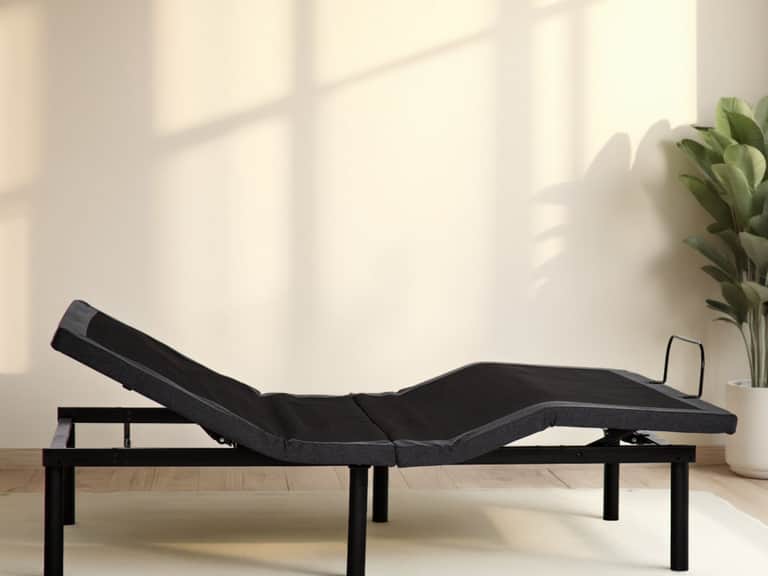
- Consider the sleep environment integration: how the mattress interacts with your existing bed frame, foundation, and sheets; whether you have an adjustable base or a particular room temperature target.
- Test the return policy and trial window: a generous trial period is essential to ensure the mattress works in your home setting over time.
Product spotlight: latex options from leading brands
Below are representative latex mattress products that embody the premium approach to sleep. They illustrate how modern makers translate natural materials into a sleep surface that respects both comfort and design sensibilities.
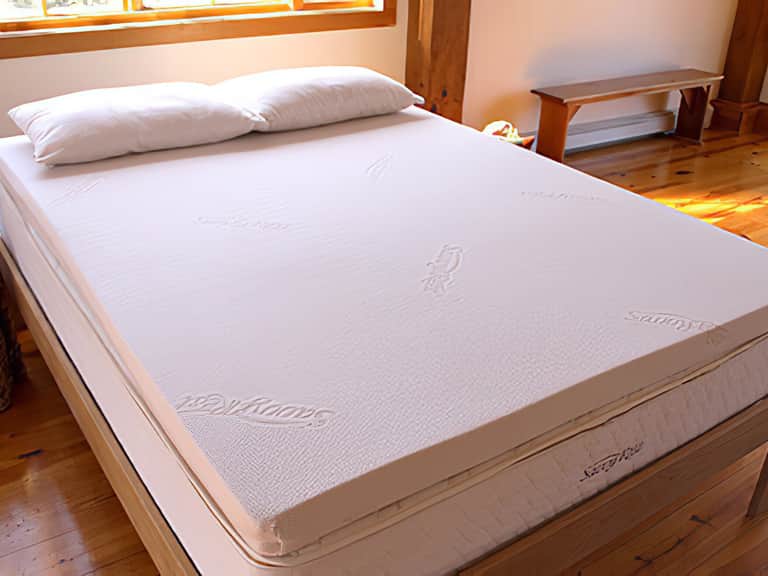
Savvy Rest Vitality Latex Mattress Topper
A three-inch layer of soft natural Talalay latex encased in an organic cotton stretch-knit cover. It molds closely to the body, offering cushioning without the chemical smells associated with synthetic foams.
Talalay latex, organic cotton cover
Price: $749.00
Vispring Heaven Luxury Supreme Mattress Topper
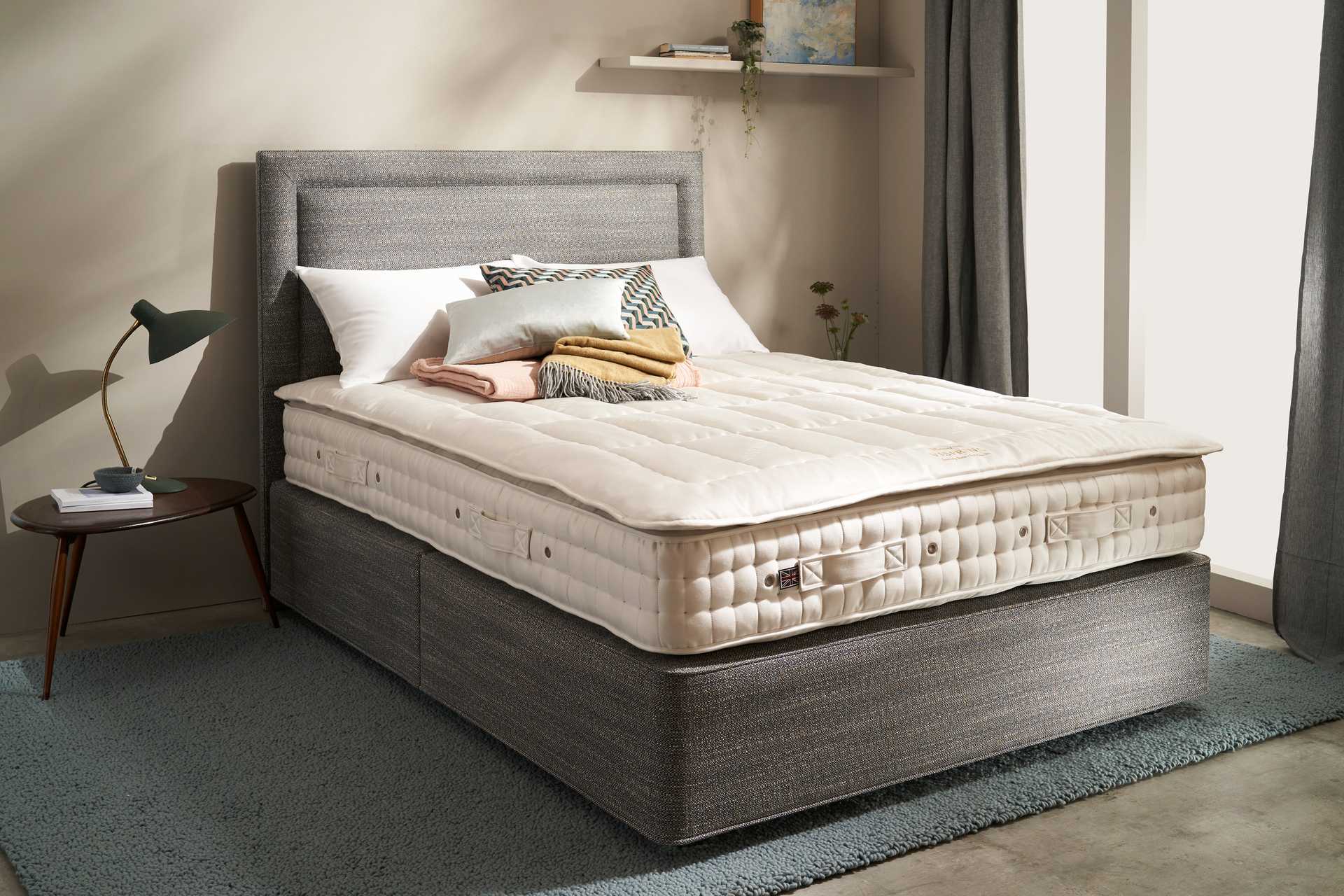
An exquisitely plush topper crafted with a blend of British fleece wool, soft-needled wool, and South American horsetail. This topper offers nuanced firmness, temperature regulation, and a ceremonial feel that elevates a bed’s premium character.
Wool blend, horsetail border
Price: $2,575.00
Savvy Rest Vitality vs. Pick-Your-Base: mood-compare
While the Vitality topper isn’t a full mattress by itself, it demonstrates how latex ecosystems can be layered to customize feel, temperature, and support. For readers seeking to experiment within a premium sleep environment, a latex topper can be a thoughtful, reversible upgrade.
Topper option for customization
Topper
Care and maintenance: preserving the life of latex and textiles
A premium sleep surface benefits from thoughtful care. Latex itself is resilient, but regular rotation and proper protection help maintain even wear. Use a breathable, washable cover; keep the room climate stable; and follow manufacturer guidance for cleaning.
- Rotate the mattress every few months to promote even wear, especially if your sleeping position tends to apply more force to one area.
- Use a fitted protector and a breathable top cover to minimize moisture buildup and to extend mattress life.
- Avoid direct sunlight on latex surfaces, which can degrade the cover fabrics over time.
- Follow brand cleaning instructions for covers and protectors; many allow machine washing of the cover while avoiding the latex core.
Final thoughts: choosing natural latex as part of a premium sleep ecosystem
Luxury sleep is an ecosystem, not a single component. The latex mattress, its cover, the textiles surrounding it, and the ambient conditions of the room work in concert to cultivate the quiet ritual of rest. The material logic of latex—its buoyant lift, its breathable structure, its durability—meets the consciously curated aesthetics of modern bedrooms. In this confluence, the bed becomes less a utilitarian platform and more a stage for daily reset.
If you are building a sleep sanctuary with a sense of restraint and texture, natural latex offers a robust foundation. It is a material that rewards careful selection, patient testing, and alignment with your broader design and wellness goals. As Florence Knoll would remind us, material honesty is not merely about function; it is about how a surface supports a life lived well. In that sense, choosing a latex mattress is as much an act of design as it is an act of self-care.
Published date: September 30, 2026